
When Does a Lafayette Construction Project Actually Need Concrete Pumping Services?
Knowing when to use concrete pumping services instead of traditional concrete placement can save a Lafayette, LA, construction project significant time, labor, and stress. Not every job needs a pump, but many do, and choosing wrong can slow your timeline or compromise the quality of your pour. This guide covers the most common scenarios where concrete pumping services outperform conventional wheelbarrow or chute delivery, with a focus on the types of projects common across Acadiana.
What Makes Concrete Pumping Different from Traditional Placement?
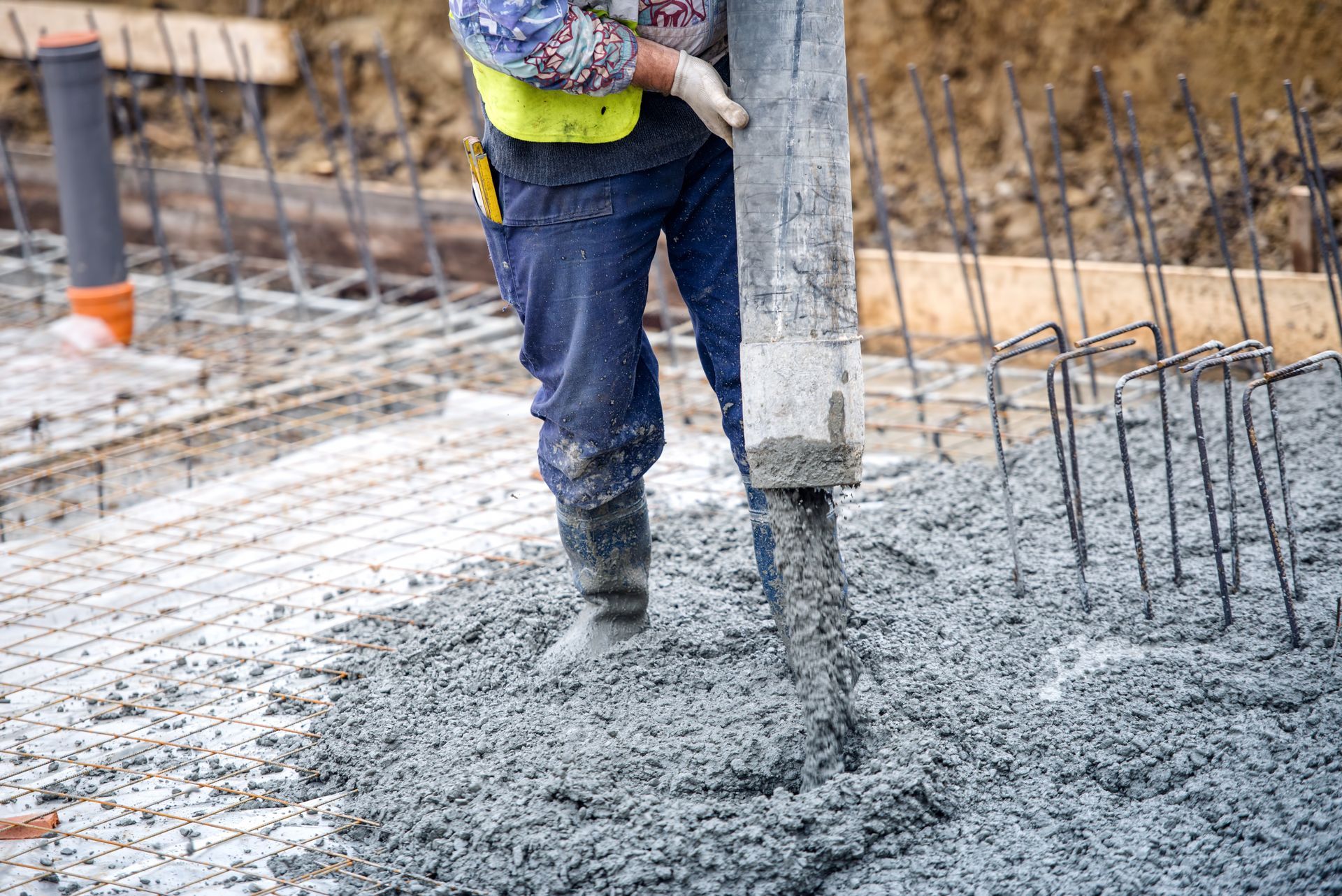
Pumping moves concrete through a hose or boom directly to the pour location. Traditional placement relies on chutes from a ready-mix truck or workers moving concrete manually across the site. Concrete pumping services can cover longer distances and reach areas that a truck simply cannot access.
In the Greater Lafayette area, ready-mix suppliers like those serving the Acadiana region operate on tight delivery windows. Slow placement wastes truck time and risks concrete stiffening before it reaches the forms. A pump keeps pace with the truck, moving material fast and consistently.
When Does a Lafayette Project Actually Need a Pump?
Concrete pumping services become the practical choice whenever standard truck chutes or manual labor cannot efficiently reach the pour location. Several specific conditions make pumping the right call for Lafayette, LA, construction teams.
Limited Site Access
Many Lafayette neighborhoods, including established areas near River Ranch, Freetown, and the older residential corridors off Johnston Street, have tight lots with fences, mature trees, or adjacent structures that block truck access. When a ready-mix truck cannot back close enough for a chute pour, a pump solves the problem. A line pump can snake a hose over fences and around obstacles to deliver concrete exactly where it needs to go.
Elevated and Structural Pours
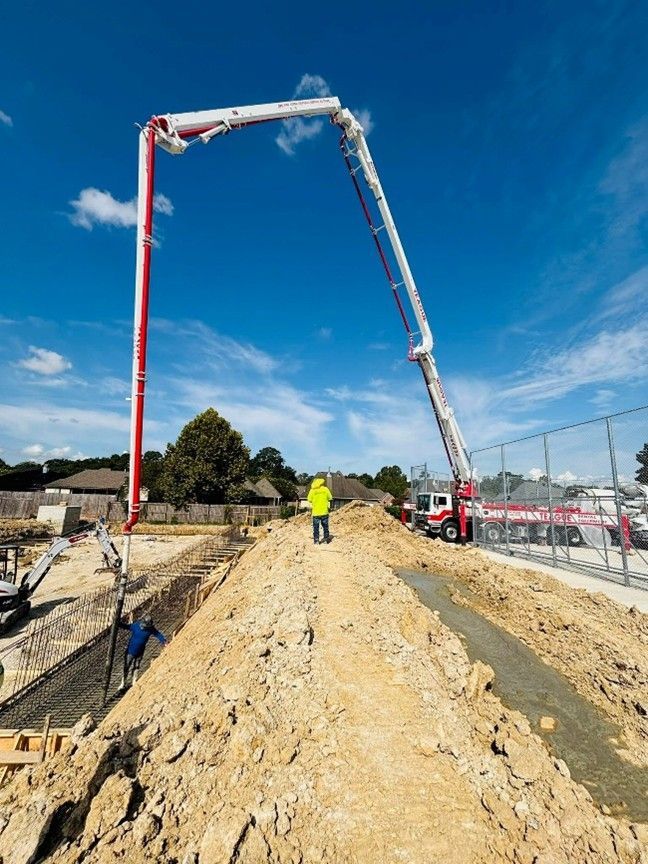
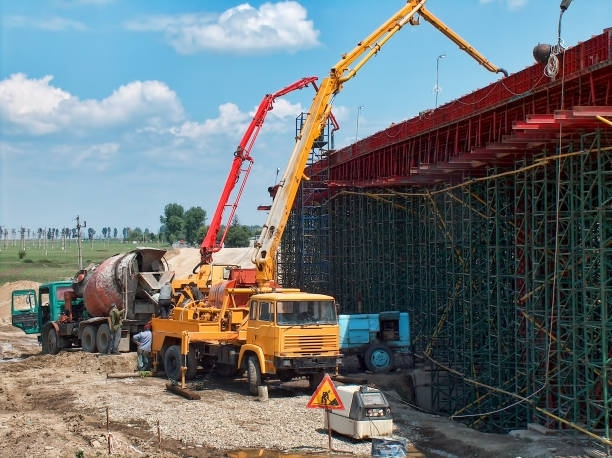
Any pour above ground level typically requires a pump. This includes elevated slabs, second-story additions, tilt-up panels, and structural columns. Boom pumps can reach over existing structures and position concrete at height with precision. Commercial builds in the Lafayette area along Ambassador Caffery Parkway or near the I-10 corridor often involve multi-story or elevated structural work where boom equipment may be the only practical option.
Large Slabs on Tight Timelines
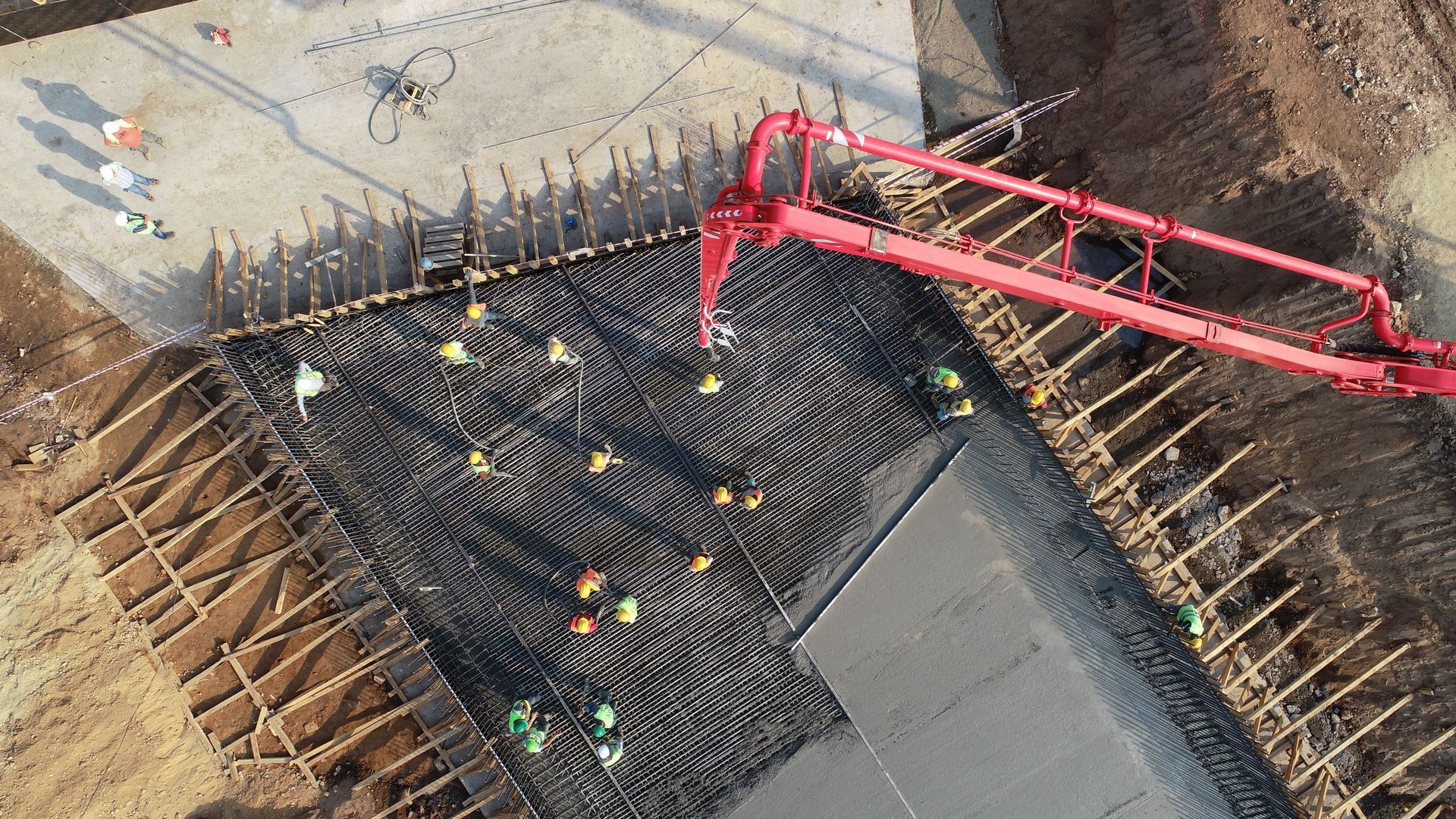
Wide commercial slabs, parking structures, and warehouse floors in Acadiana can require a high volume of concrete placed quickly and evenly. When the pour window is short due to heat or the mix design, speed matters. Louisiana summers can push ambient temperatures well above 90°F, accelerating the set time of concrete. Concrete pumping services allow a crew to place large volumes fast, reducing the risk of cold joints or uneven curing caused by delays between loads.
Foundations in Wet or Soft Soil
Lafayette Parish sits in a region with high water tables and expansive clay soils that can make moving heavy equipment across a site difficult or impossible without causing damage. When ground conditions are soft, getting a truck close enough for a chute pour may not be safe or practical. A pump stationed on stable ground can still reach the forms through a hose, keeping the work on schedule without compromising the pour area.
Residential Slabs and Additions
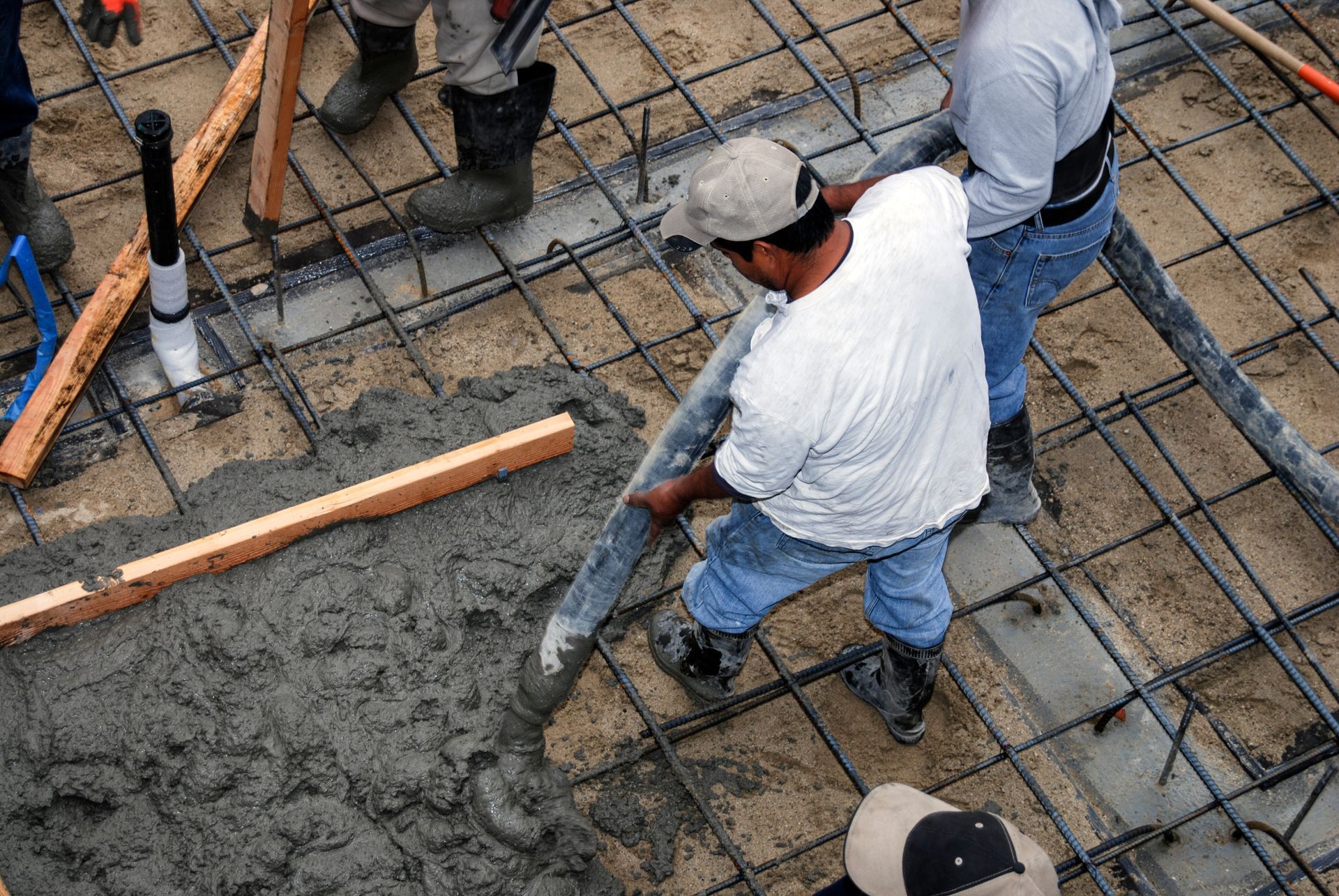
House slabs, garage pads, and room additions in Lafayette and surrounding communities like Broussard, Carencro, and Scott often involve confined spaces where concrete pumping services provide real value. A line pump gives smaller residential crews accurate placement without the physical labor of moving concrete by hand across the site. It can also reduce the number of workers needed on site, which matters for jobs with tight crews.
Boom Pump vs. Line Pump: Which One Fits Your Job?
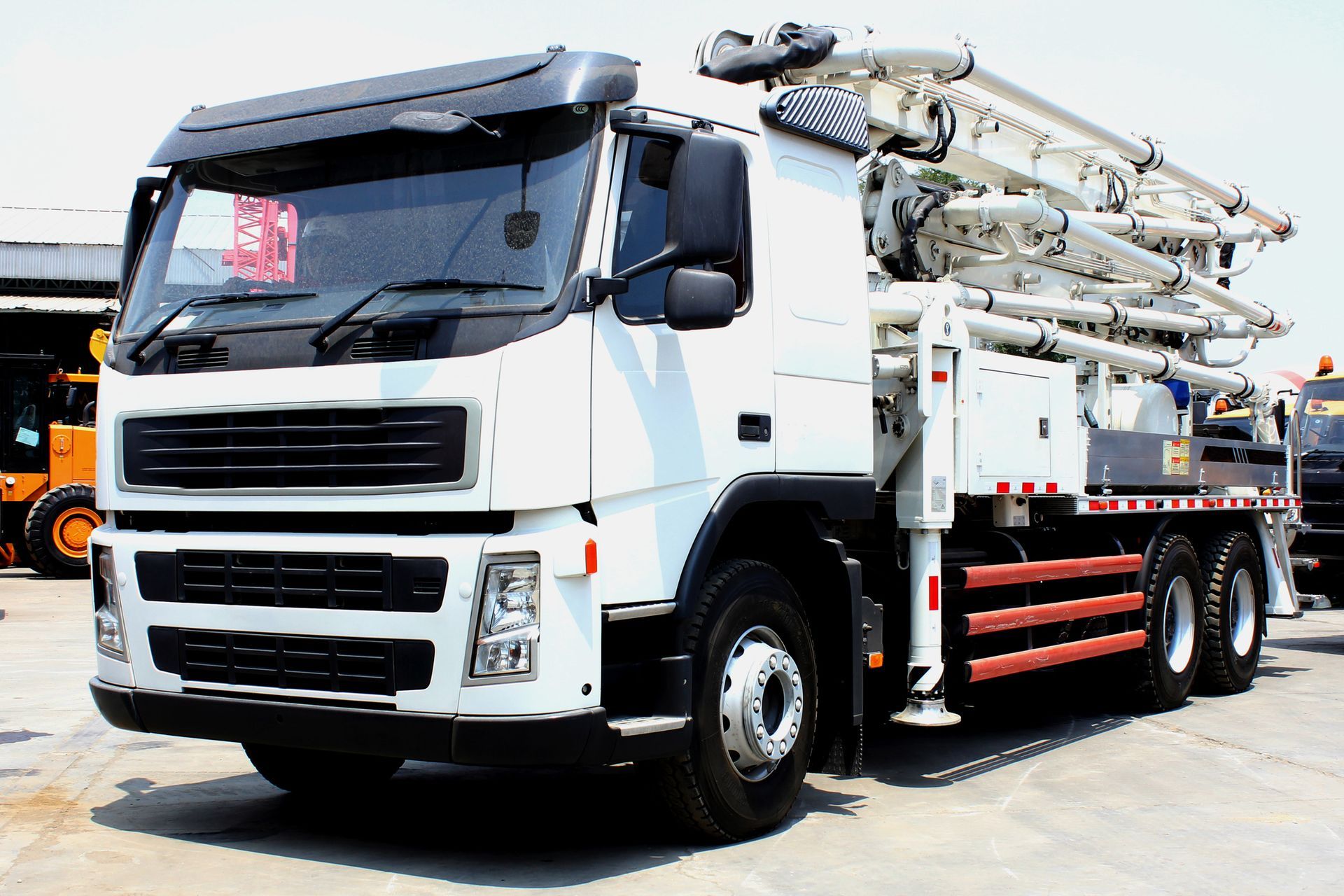
The right pump type depends on your project's size, height, and access conditions. Boom pumps mount on a truck, extend a folding arm, and can reach significant heights and distances. They work well for large commercial pours and elevated structural work. Line pumps are smaller, more maneuverable, and connect to a flexible hose that can be run across the ground or through tight spaces. They are often the right choice for residential foundations, driveways, and smaller slabs.
Matching the pump type to the job can affect efficiency. A fleet that includes both boom and line pump options gives contractors the flexibility to handle the full range of Acadiana project types, from industrial foundations near the Port of Iberia to a residential slab in a Carencro subdivision.
Does Concrete Pumping Work for Driveways and Patios?
Yes, concrete pumping services can be used for smaller pours like driveways, patios, and pool decks, especially when access is limited. A line pump makes precise placement straightforward and reduces physical strain on the crew.
How Far in Advance Should I Schedule a Concrete Pump?
Scheduling needs may vary by season and project demand. In the busy spring and fall construction seasons in Lafayette, LA, booking a pump in advance helps ensure availability on your pour day. Contact your pumping provider as early as possible once your pour date is confirmed.
Get the Right Equipment for Your Lafayette Area Pour
Teague Rental Equipment has been serving southern Louisiana contractors for more than 70 years, offering a fleet of Schwing concrete pumps to match residential and commercial project needs across the Acadiana region. Whether you are planning a commercial slab in Lafayette, LA, or a residential foundation in a surrounding parish, the right pump can make the difference between a smooth pour and a costly delay. Explore concrete pumping services serving Lafayette, LA or view the full fleet to find the right equipment for your job. Call (225) 355-6243 to schedule your pump today.
Boom Pump vs. Line Pump: Which Concrete Pumping Services Method Is Right for Your Lafayette Project?